How to Prepare Liposomes: Step-by-Step Liposome Preparation Guide
Liposomes are spherical vesicles widely used in pharmaceuticals, cosmetics, and nutraceuticals for their excellent biocompatibility and capability to encapsulate both hydrophilic and lipophilic substances. This guide presents a step-by-step laboratory workflow for liposome preparation, intended for research and educational purposes.
1. Materials & Reagents
Phospholipids: Soy Phosphatidylcholine (SPC), Saturated Soy Phosphatidylcholine (SSPC), etc.
Cholesterol: Improves membrane stability and fluidity
DSPE-PEG2000: Optional, for long circulation or targeted liposomes
Lipophilic compounds: Pre-dissolved in organic solvents if required
Hydrophilic compounds / aqueous phase: PBS buffer, pure water, or compound-containing buffer
Organic solvents: Anhydrous ethanol, chloroform
2. Step-by-Step Liposome Preparation
Step 1: Dissolve Lipids
Dissolve phospholipids, cholesterol, and other lipid components in anhydrous ethanol or chloroform. Sonicate the mixture until a clear solution is obtained.
Step 2: Form Lipid Film
Evaporate the solvent using a rotary evaporator under vacuum for approximately 60 minutes to form a uniform, dry lipid film at the bottom of the flask.
Step 3: Hydration
Add the hydration medium to the flask and rotate in a water bath at a temperature above the phospholipid phase transition temperature for approximately 30 minutes to form crude liposomes (multilamellar vesicles, MLVs).
Step 4: Particle Size Reduction
To reduce the particle size of the crude liposome suspension, a high-pressure homogenizer such as the NanoGenizer can be used. Process the suspension at 10,000–25,000 psi for 3–10 cycles until the target particle size is achieved.
Alternatively, membrane filtration extrusion with a liposome extruder is suitable for both small- and larger-scale production. Pass the crude liposome suspension through filter membranes with defined pore sizes until the desired particle size is obtained.
Tip: To learn more about choosing between a high-pressure homogenizer and a liposome extruder, read our guide here.
Step 5: Remove Unencapsulated Compounds
Free compounds can be separated from liposomes using techniques such as gel filtration, ultrafiltration, dialysis, or ultracentrifugation.
Step 6: Characterization
Particle size and zeta potential: Measure the average particle size, polydispersity index (PDI), and surface charge of liposomes using dynamic light scattering (DLS).
Encapsulation efficiency: Determine drug content after disrupting the liposomes to calculate encapsulation efficiency.
3. Typical Liposome Preparation Results
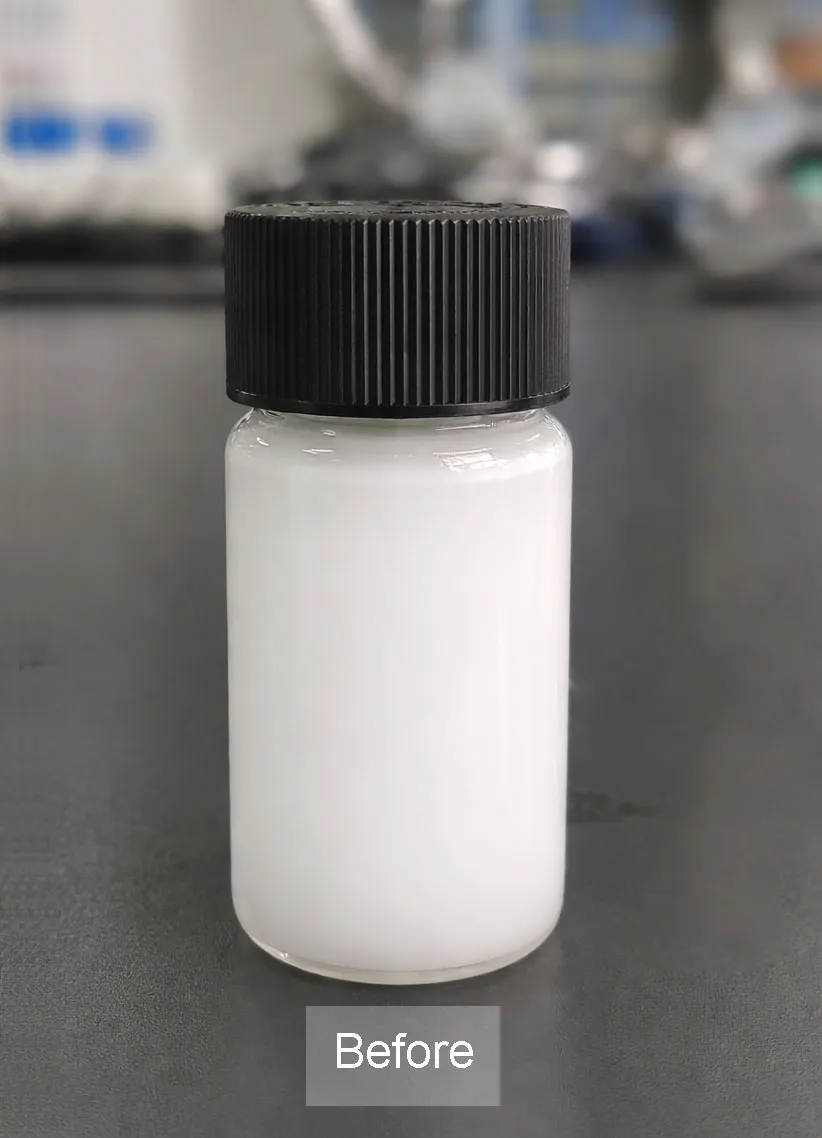
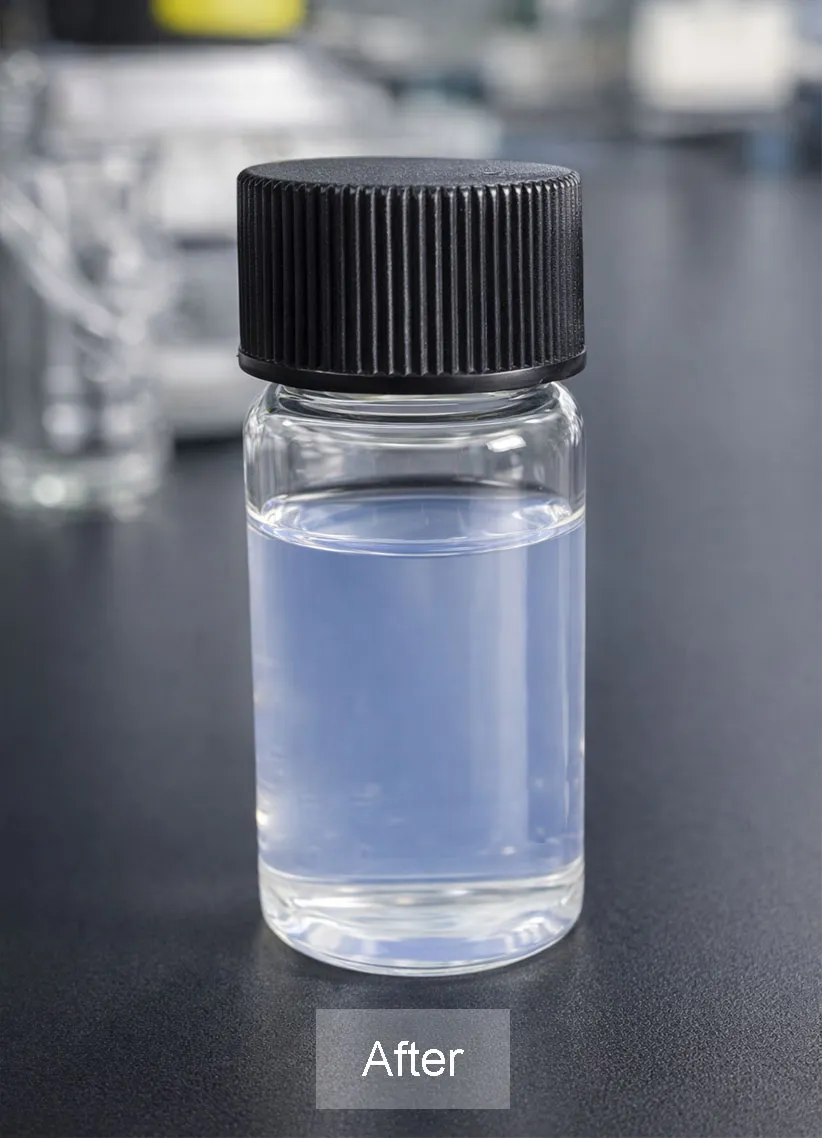
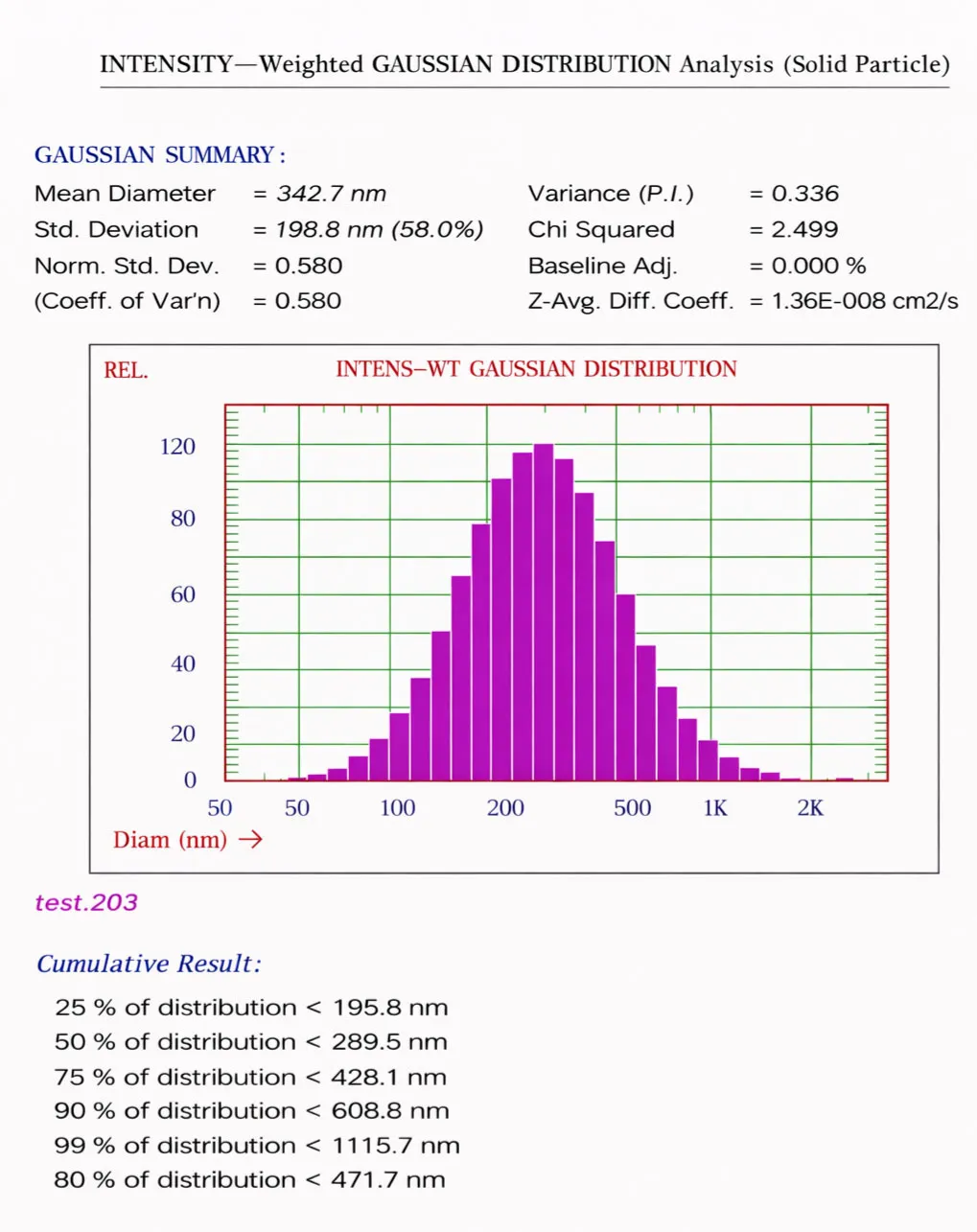
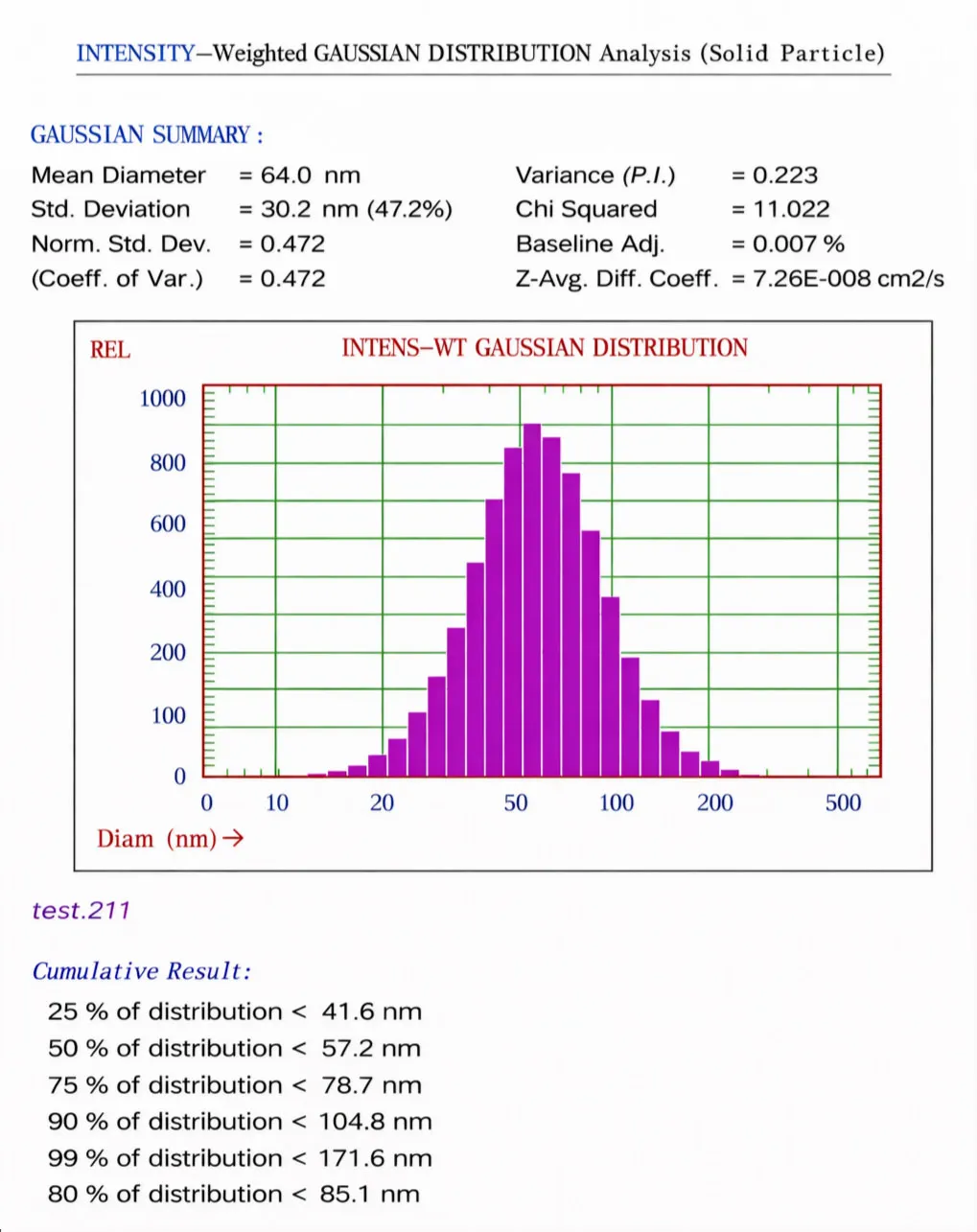
After particle size reduction, the liposome suspension becomes more uniform and transparent, with an average particle size of 50–150 nm and a narrower distribution.
Liposome Suspensions Before and After High-Pressure Homogenization
Particle Size Comparison Before and After High-Pressure Homogenization


Comments
Post a Comment