Cell Disruption with High Pressure Homogenizer
Cell Disruption with High Pressure Homogenizer
Cell disruption is a crucial process in biotechnology, pharmaceutical research, and life sciences. Efficiently breaking open cells allows researchers to extract valuable intracellular components, including proteins, enzymes, nucleic acids, and viral vectors. One of the most reliable and scalable tools for this purpose is a high pressure homogenizer. NanoGenizer offers advanced solutions that combine precision, reproducibility, and thermal control.
For more on the high pressure microfluidization homogenization technology, see our article: High Pressure Homogenizer Introduction
How NanoGenizer High Pressure Homogenizer Achieves Cell Disruption
The NanoGenizer high pressure homogenizer operates by forcing a cell suspension through diamond interaction chambers under high pressure. This generates controlled shear, impact, and cavitation forces that rupture cell membranes while preserving delicate intracellular contents. For heat-sensitive samples, RT chambers with cooling systems prevent protein and nucleic acid denaturation, ensuring consistent quality across multiple batches.
Figure 1. NanoGenizer microfluidic jet high pressure homogenizer
Optimizing Pressure and Chamber Selection for Efficient Cell Disruption
Different biological cells require different pressures to achieve effective lysis. Selecting the appropriate pressure and chamber ensures high disruption efficiency while protecting sensitive intracellular components.
Pressure and chamber selection for various applications with NanoGenizer
| Cells | Mammalian cell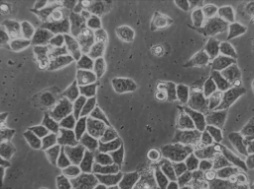 | Insect cell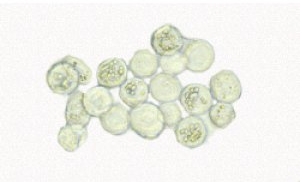 | Bacteria cell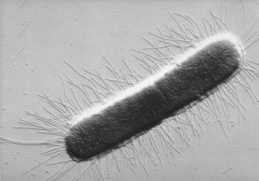 | Yeast cell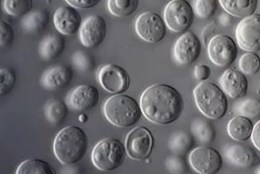 | Algae cell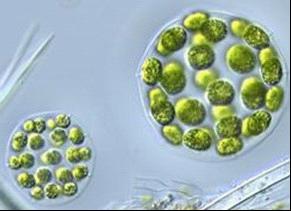 | Spore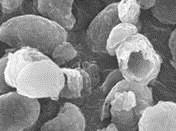 |
| Sample | CHO|Hela | Sf9|Sf21|H5 | E. Coli | Yeast | Green algae | Ganoderma |
| Pressure | 600-800bar 8500-11500psi | 600-1000bar 8500-14500psi | 800-1000bar 11500-14500psi | 1200-1400bar 17500-20000psi | 1200-1500bar 7500-21500psi | 1300-1600bar 18500-23000psi |
| Chamber | F20Y, F20Y-RT | F20Y, F20Y-RT | F20Y, F20Y-RT | F20Y, F12Y | F20Y, F12Y | F20Y, F12Y |
Softer cells (mammalian, insect) require lower shear.
Bacteria have stronger cell walls and need higher pressure.
Yeast, algae, and spores require the highest pressure due to rigid structures.
Using the NanoGenizer’s microfluidic diamond interaction chamber, researchers can achieve consistent, efficient cell disruption while maintaining protein and nucleic acid integrity.
Figure 2. Internal Structure of Z-type Interaction Chambers for High Pressure Homogenizers
Advantages of High Pressure Homogenizer for Cell Disruption
Compared to other mechanical or chemical methods, high pressure homogenizers like NanoGenizer offer:
High efficiency: Rapidly breaks even tough cell walls with fewer passes.
Thermal control: Cooling systems maintain protein and nucleic acid stability.
Scalability: Suitable for laboratory R&D and large-scale production.
Multi-functionality: Can also resize liposomes, create nanoparticles, or form nanoemulsions (Liposome Extruder).
Reproducibility: Ensures uniform results across multiple batches.
Unlike traditional homogenizers that mainly emulsify liquids, NanoGenizer provides precise and consistent cell disruption for a variety of applications.
Applications of High Pressure Homogenizer Cell Disruption
High pressure homogenizers are widely used in:
Protein and enzyme extraction
Vaccine and viral vector development
Microbial and yeast fermentation studies
Algal bioactive compound extraction
Gene therapy research
Optimized operation parameters allow researchers to efficiently release intracellular materials while maintaining functional integrity.
For laboratories or biopharmaceutical facilities seeking reliable, scalable, and precise cell disruption solutions, NanoGenizer high pressure homogenizers provide advanced interaction chambers, adjustable pressure, and thermal management. Contact us at info@genizer.com or send an inquiry here to learn how high pressure homogenizers can enhance your research and production workflows.
Product Links:
Article Links:


Comments
Post a Comment